Who would you be without your memory? Who would you be if you can’t remember who your loved ones are? And how would you experience life if you wouldn't remember what happened the day prior or even several minutes ago? In the world of psychology, one of the most famous cases that has furthered our understanding of memory is that of H.M.; a man who, due to a groundbreaking surgery, became one of the most studied individuals in the field of neuroscience. His story not only improves our understanding of how memory functions are organized in the brain, but also raises some philosophical questions about our sense of self and what really defines it.
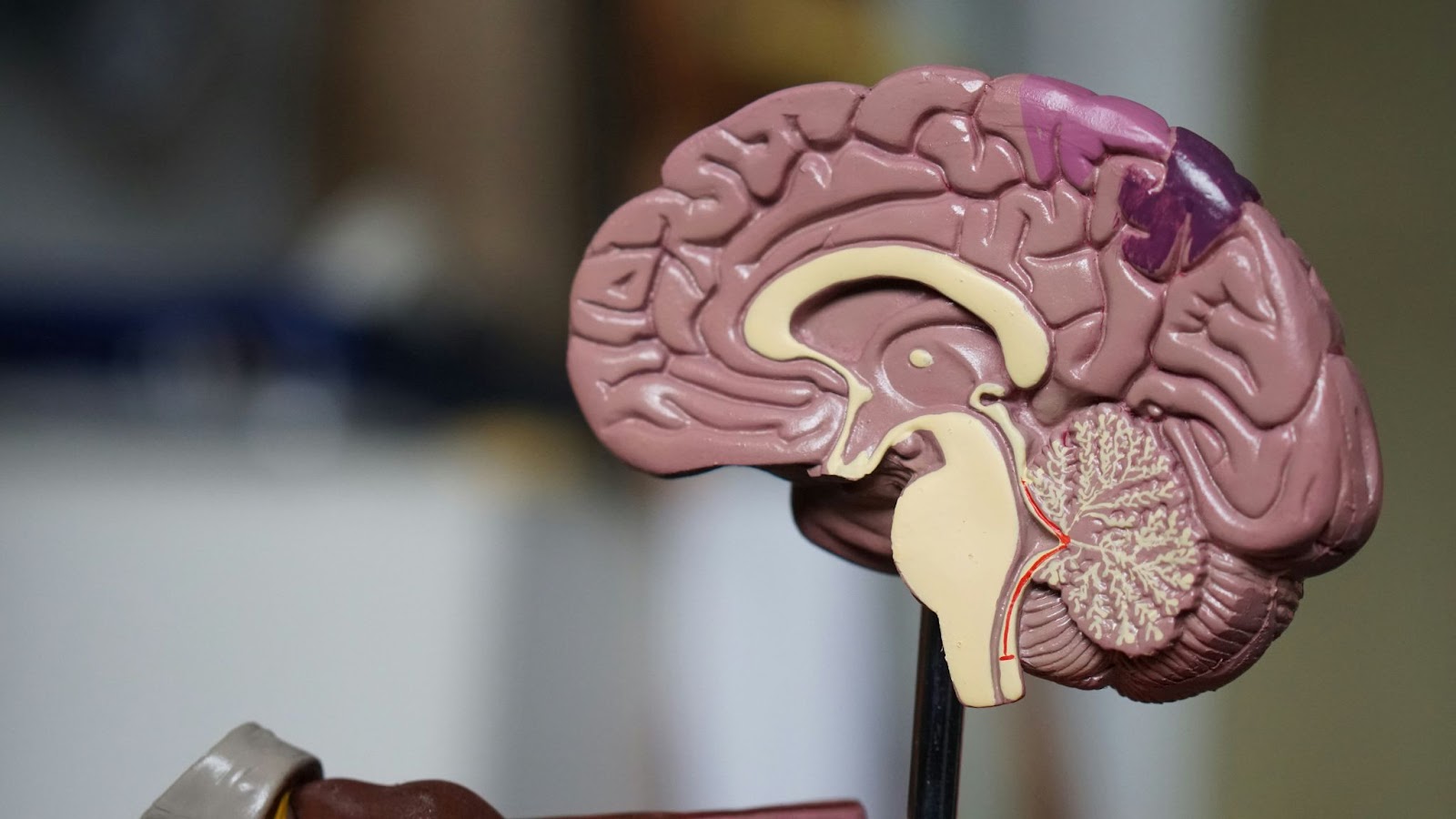
H.M. suffered from epilepsy, which significantly impacted his quality of life. In order to relieve himself from the seizures, he underwent a surgery in 1953. The surgery involved the removal of parts of his temporal lobes, including structures known as the hippocampus and amygdala. However, while the surgery successfully resulted in fewer seizures, it also had an adverse impact; it left him unable to form new memories.
Following the surgery, H.M. experienced profound anterograde amnesia, meaning he could no longer create new memories of events and information after the operation. He would not remember what he had eaten last night, or the name of a person he had met that day. Despite this deficit, he did not have retrograde amnesia, leaving his ability to recall memories from before the surgery intact.. He did have problems with his short-term memory (STM), meaning that he had trouble recalling information right after learning them. This unique combination allowed researchers to delve into the inner workings of memory formation and storage in the human brain. The bilateral lesion of his hippocampus and removal of surrounding structure in the medial temporal lobe (MTL) guided scientists to specify how the absence of a brain region can affect a specific memory function. Researchers were consequently able to better understand the neuronal circuits involved in acquisition of new knowledge.
H.M. also taught us much about distinctions between different types of memory. After his surgery, he was still able to learn new skills, such as mirror drawing, which required him to trace a diagram of a star with a pen just by looking at the reflection of his hand in the mirror. This task is related to what we call ‘’procedural memory’, the memory of ‘’how to do things’’ (like driving a car, cycling, or drawing). Although his performance on mirror drawing improved, he could not remember practicing this in the past, because he couldn't form new memories. This suggests that certain memory systems, particularly those involved in skill acquisition and motor learning, are not entirely dependent on the structures removed during his surgery.
While H.M.'s case advanced our understanding of memory, it also raised some philosophical questions, namely did H.M. have a sense of self? We know that he was a man who carried his beliefs and values with him even after his surgery, and he also knew about his disorder. He didn’t know how old he was, but he could still share some of his memories from his childhood. But, without the memories that made him who he was before, would he still identify himself in the same way? Although there is no right or wrong answer to whether he had a sense of self or not, H.M.’s case highlights the complex interplay between memory, self-awareness, and identity.
In the remainder of H.M's life, he participated in research, contributing invaluable data to the field of neuroscience. Although H.M is just one individual, his case remains a landmark in the field of psychology, offering insights into the neuronal structures of memory and the functional organization of the human brain. His intact procedural memory, in particular, highlighted the complexity of memory systems and their differential dependence on distinct brain regions.
Author: Ege Su Gülseven